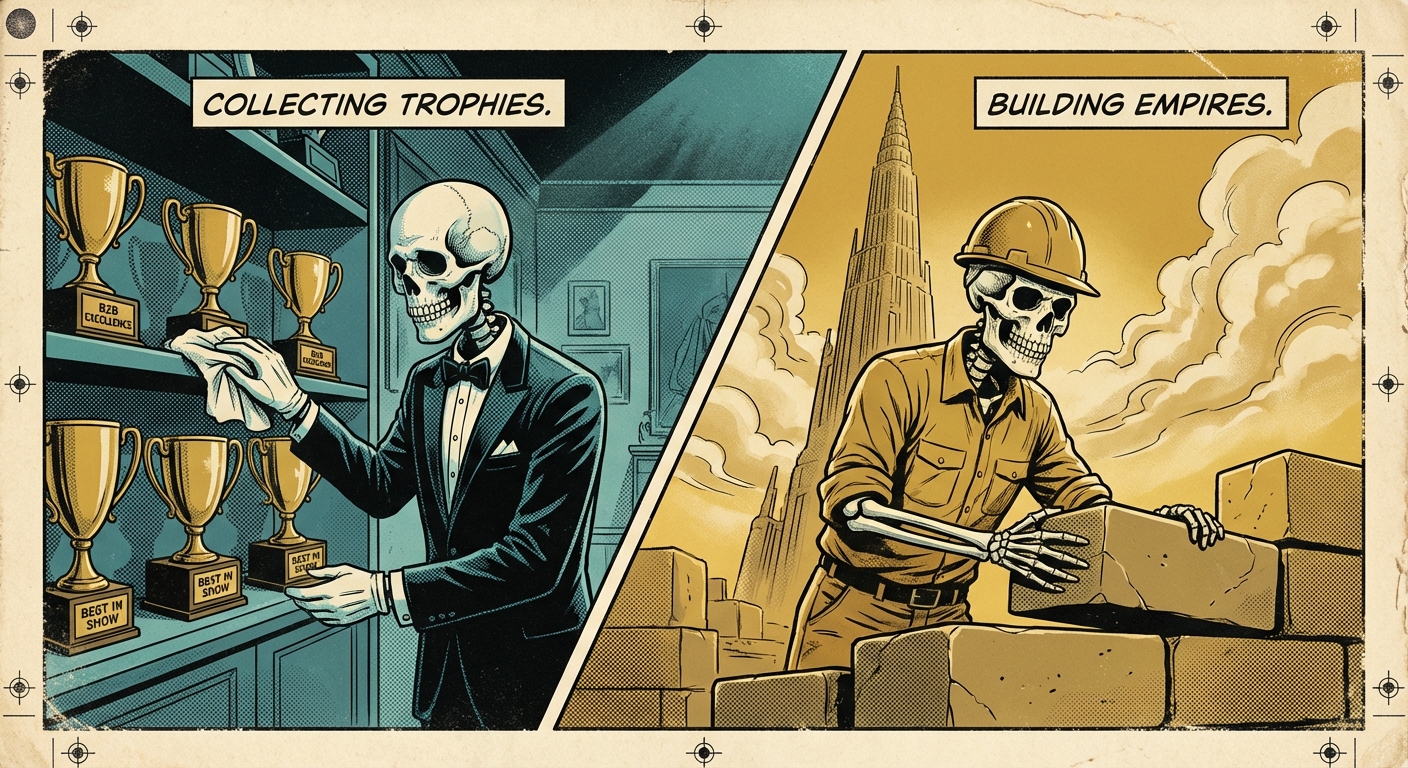
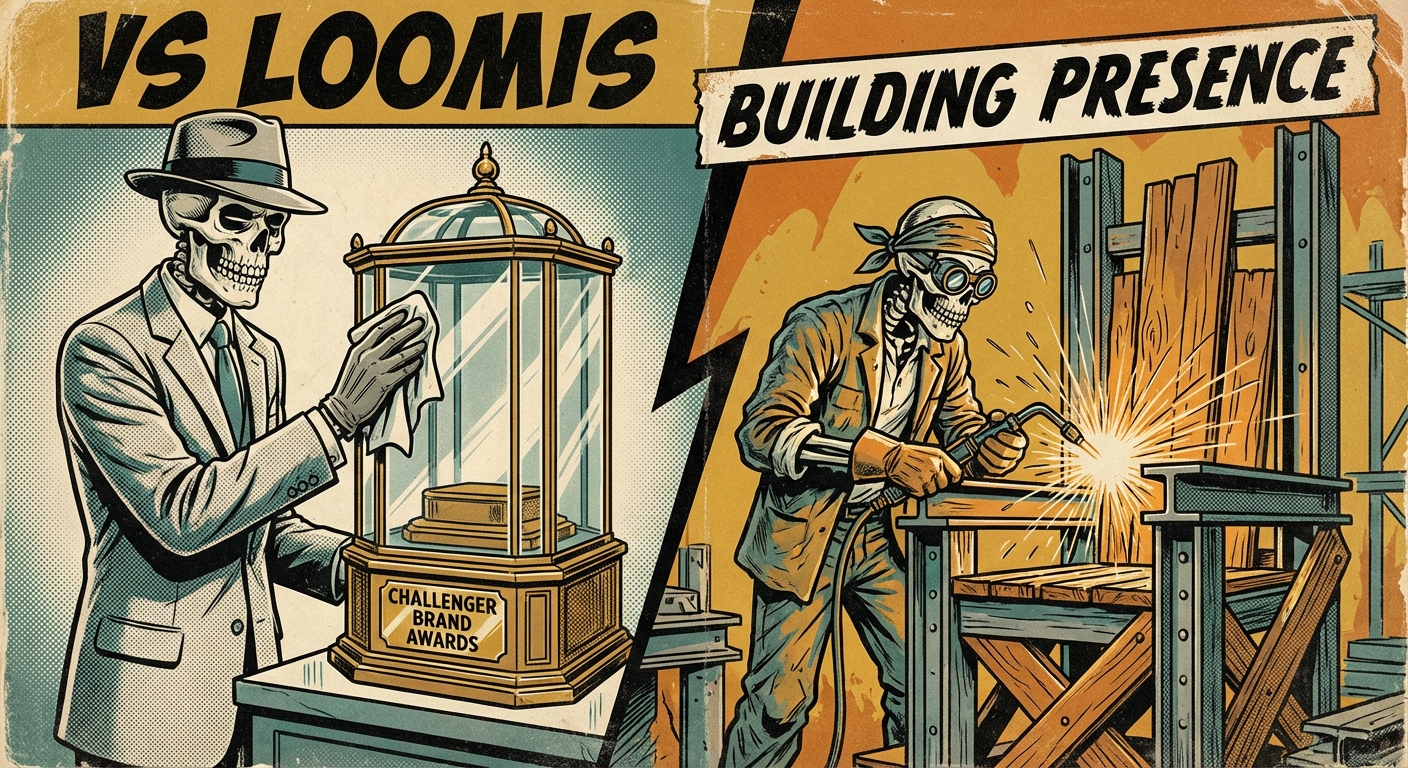
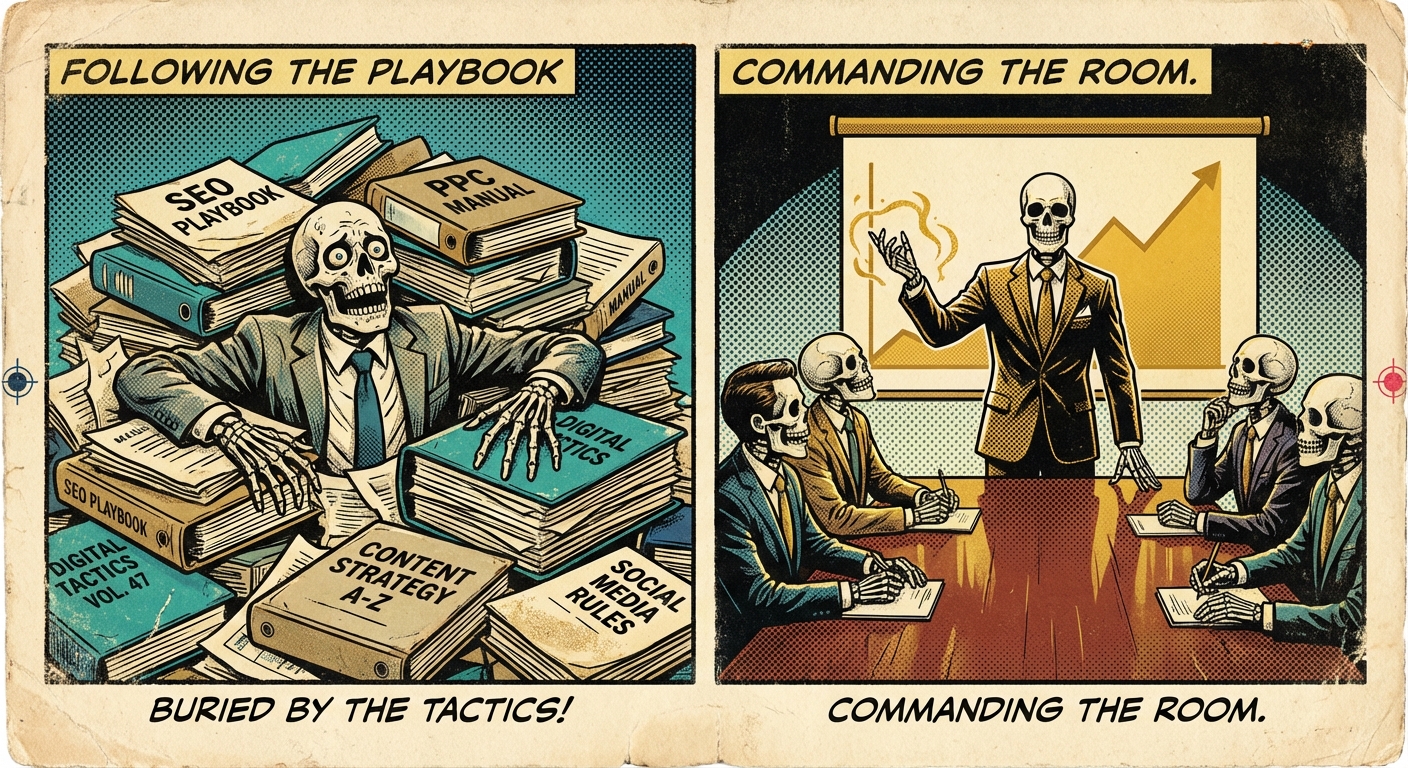
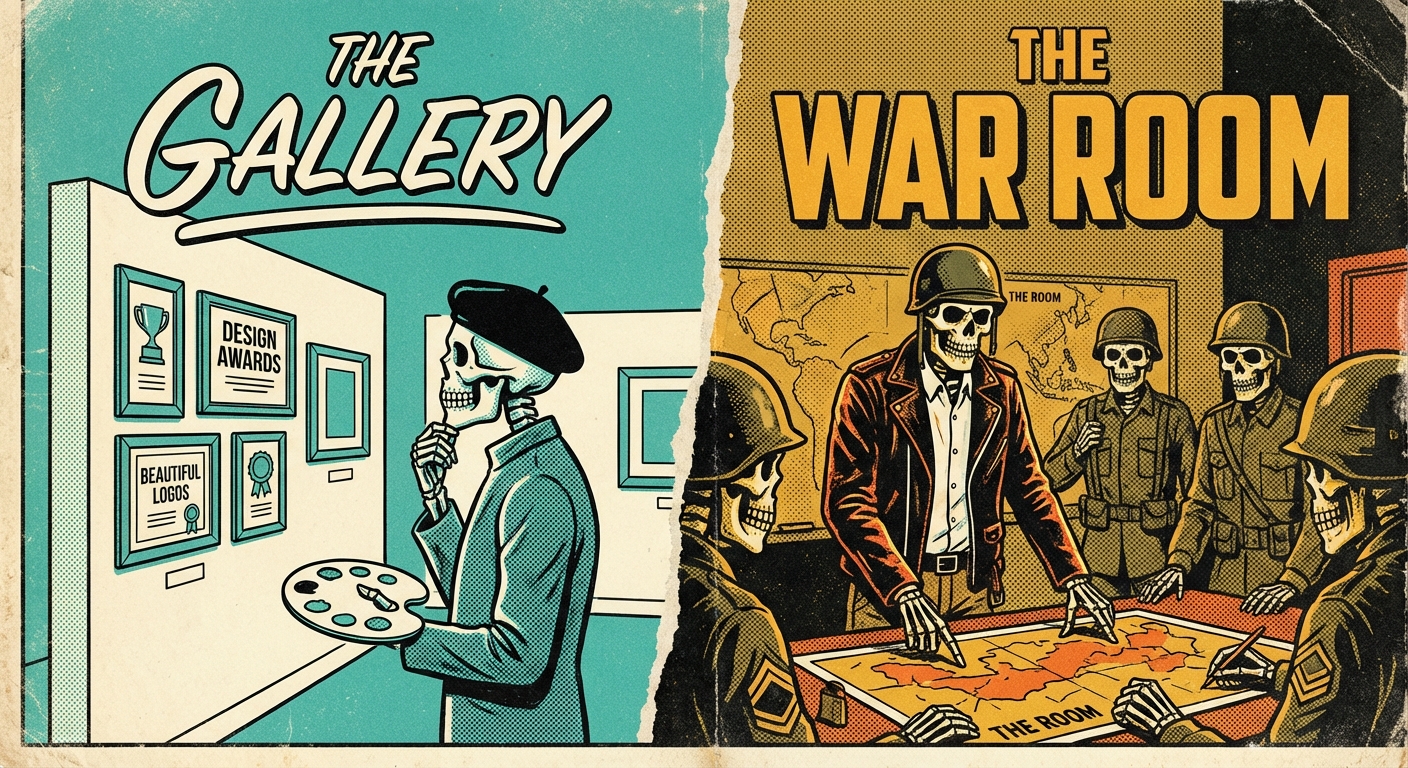
_1764599374668-geChhYOS.png "Branded Mayhem")
_1768833712366-BmMr1hCt.png "Branded Mayhem")
Here is a hard truth that your Creative Director might not want to hear:
The era of the "Stopping Power" static image is dead.
It died somewhere around 2018. It was killed by the infinite scroll and the dopamine loop. Your creative velocity metrics don't lie—static assets are underperforming everywhere.
In 2015, you could run a high-contrast, well-designed static image on Facebook, and it would work. People would stop. They would read. They would click. Your return on ad spend (ROAS) was healthy.
In 2025, the human eye processes the feed at a speed of scrolling 300 feet per day. We have evolved a specific form of blindness. Your brand sentiment analysis shows engagement, but nobody actually remembers you.
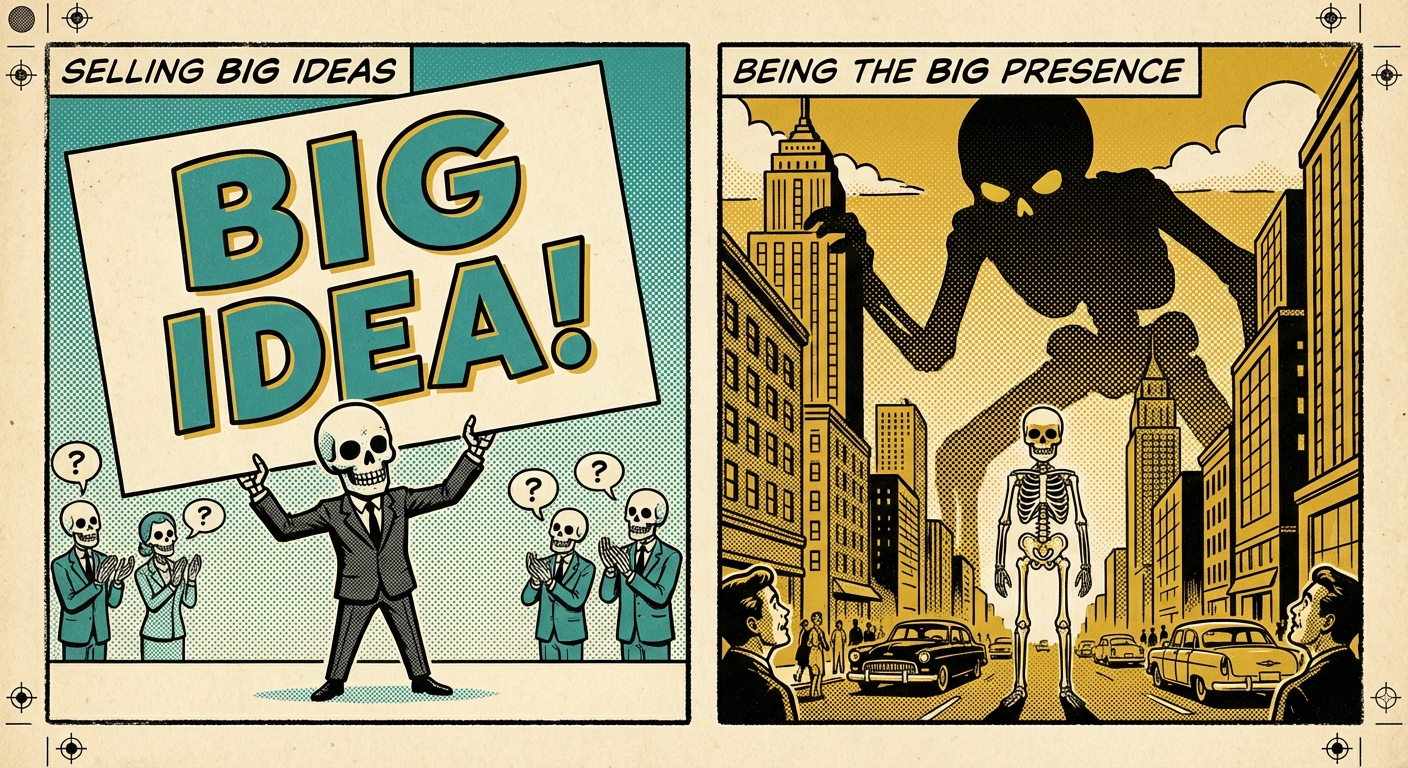
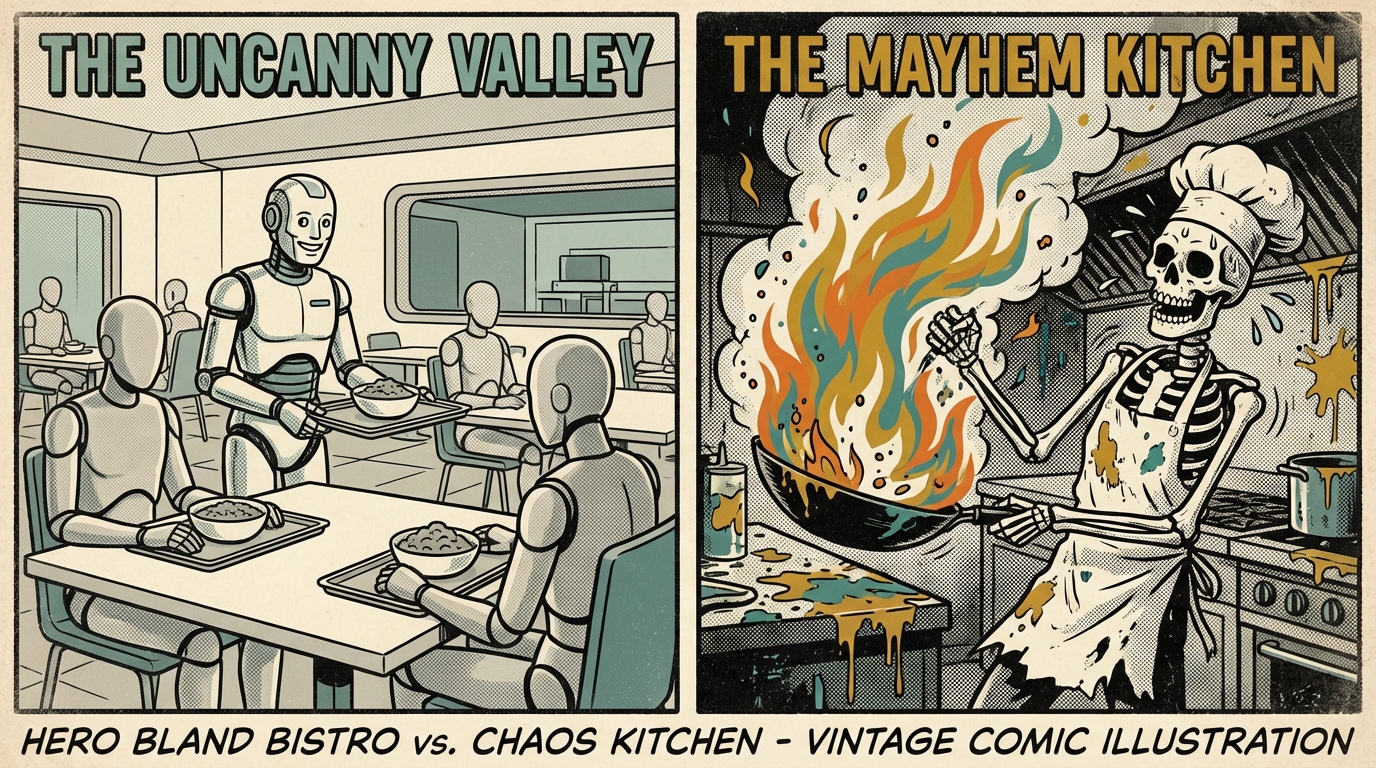
We are blind to "Safe."
We are blind to "Polished."
We are blind to anything that sits politely within the frame and asks for permission to be seen.
If your "Brand Awareness" strategy relies on static display ads or polite social cards, you are not building a brand. You are wallpapering the internet. You are spending money to be ignored. Your programmatic display advertising is leaking budget. Your native ad formats blend in so well they're invisible.
_1764543217838-Cuo9xhUX.jpeg "invisible")
To drive Branded Search—to get someone to actually remember your name long enough to type it into Google—you have to do more than show up. You have to violate the user's expectations. You need a cultural agitation strategy.
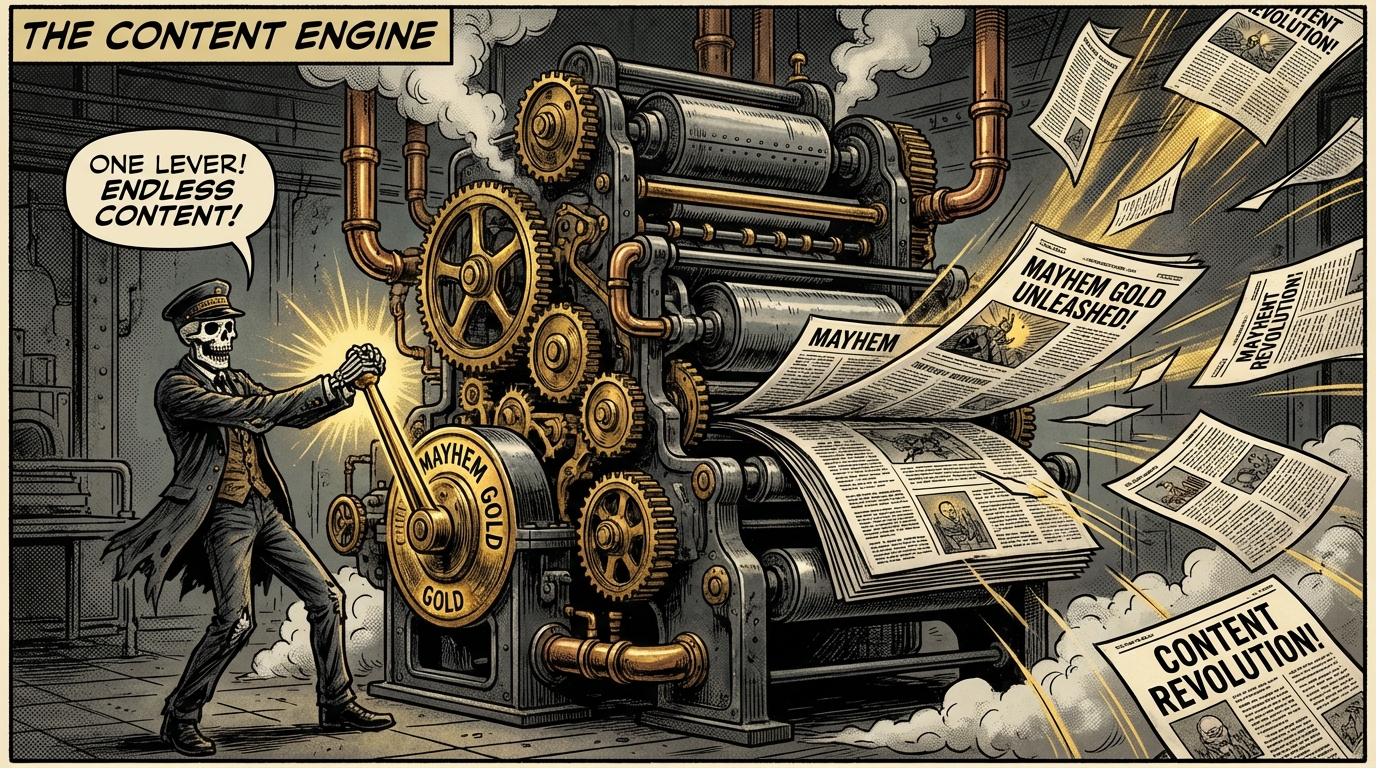
You need Motion-First Branding. You need a high-velocity content engine.
The Biology of "The Scroll" (Why Static Fails)
To understand why static ads are failing, you have to look at the nervous system. No amount of audience segmentation tactics will save boring creative.
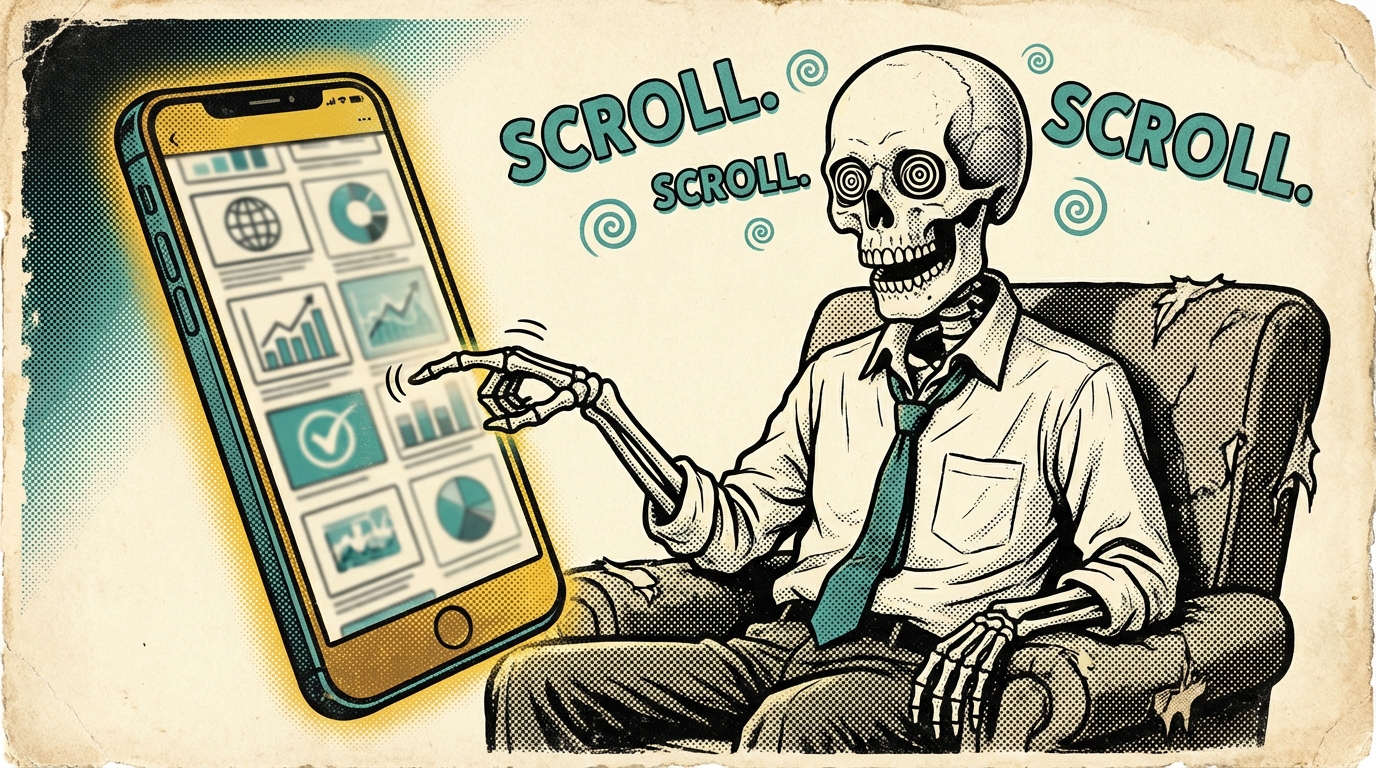
When a user is scrolling TikTok, Instagram, or LinkedIn, they are in a hypnotic state. It is a dopamine loop.
A static image flows with this current. It is easy to process. The brain scans it in 0.03 seconds, categorizes it as "Ad," and dismisses it without breaking the trance. Your ad fatigue management becomes impossible when the creative never registered in the first place.
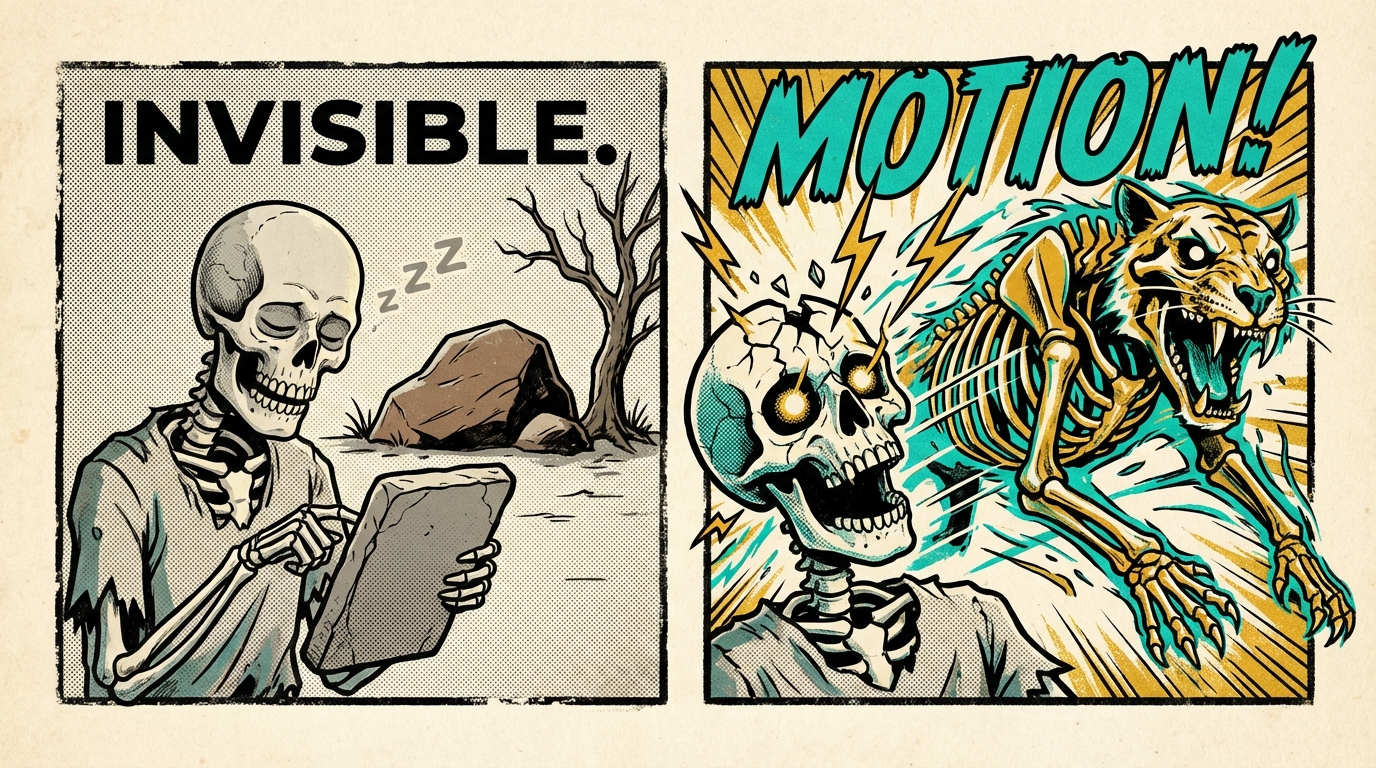
Motion triggers the "Orienting Response."
Evolutionarily, we are wired to ignore still objects (trees, rocks) and focus on moving objects (tigers, prey). Sudden, high-voltage movement triggers a survival mechanism in the brain stem. It forces the eyes to lock on. It forces the brain to ask: "What is that?"
If you want to plant a seed in memory, you must trigger this Orienting Response. A JPEG cannot do that. Only chaos can. This is the foundation of visual storytelling for conversion—you have to earn attention before you can convert it.
Enter: "Cursor Shatter"
At Branded Mayhem, we don't just use "video." A stock video of a smiling team in a conference room is just as invisible as a static image. Even user-generated content (UGC) ads need voltage to cut through.
We use a technique we call Cursor Shatter.
Cursor Shatter is motion design specifically engineered to break the scroll hypnosis. It is the creative application of "Strategic Chaos." It's the core of our performance branding frameworks.
The Characteristics of Cursor Shatter:
High Voltage: It doesn't fade in. It explodes. The first 3 frames are often glitchy, inverted, or hyper-fast. This is short-form video scalability done right—every second earns its keep.
Kinetic Typography: We don't put text on the video. The text IS the video. It moves. It expands. It threatens the edges of the screen. Pure visual storytelling for conversion.
Anti-Aesthetic: It often looks "broken" or "raw." Why? Because "Polished" looks like an ad. "Broken" looks like content. "Broken" demands investigation. This is the opposite of safe direct response copywriting—it's creative that demands attention.
The Goal:
We aren't trying to tell a 30-second story. We are trying to deliver a 3-second shock to the system that implants the Brand Name into the user's short-term memory. We are building brand momentum trajectory with every scroll-stop.
The "Latent Search" Effect
This is where the connection to Branded Search Volume happens. This is how brand lift measurement actually works in the real world.
A static ad is designed for a Direct Click.
*See shoes. Like shoes. Click shoes.*
This works for commodities. It does not work for B2B SaaS, high-ticket services, or complex products. Your full-funnel attribution models will never capture the full picture if you're only running static.
Motion is designed for "Latent Search."
Here is the user journey of a "Mayhem" campaign—real performance branding strategy in action:
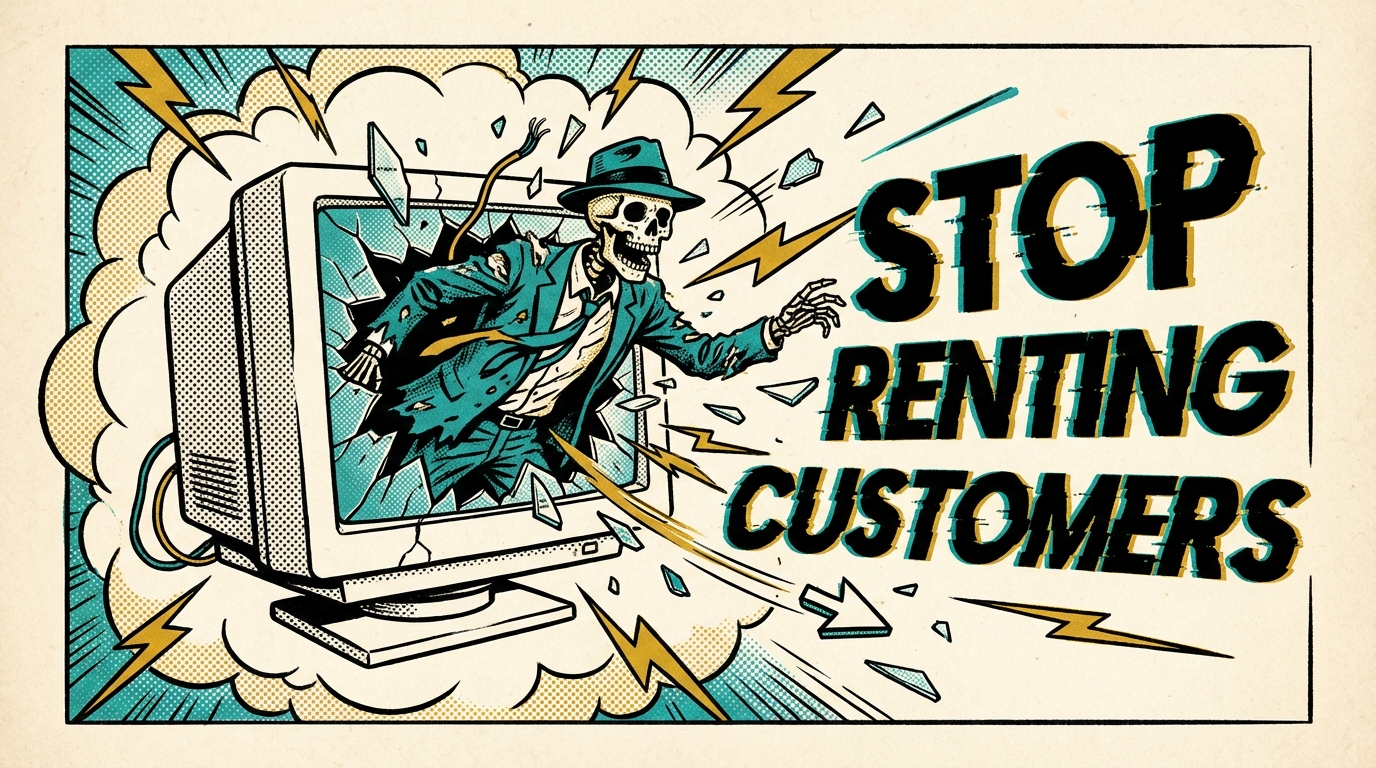
1. The Shock (0:00): User scrolls past a high-voltage motion asset. It glitches. The text "STOP RENTING CUSTOMERS" flashes in neon.
2. The Imprint (0:03): The user's brain is jolted out of the dopamine loop. They see the name "Branded Mayhem." Your brand velocity score just ticked up.
3. The Pause (0:05): They don't click. They are busy. They keep scrolling. But the hook is set. The "Orienting Response" made them pay attention, which means the memory was encoded.
4. The Trigger (48 Hours Later): The user is in a marketing meeting. The boss complains about customer acquisition cost (CAC).
5. The Search: The user's brain retrieves the encoded memory. "What was that weird glitchy agency? Branded Mayhem?"
6. The Action: They open a new tab. They type the name.
Static assets do not survive the 48-hour gap. They are too low-voltage to encode deeply. Motion survives. This is how brand equity building actually happens—not through impressions, but through memories.
The "Safe" Trap
Why do so many brands still rely on static ads? Why do they suffer from content production bottlenecks that keep them stuck in JPEG-land?
It's Cheap: You can make a static ad in Canva in 10 minutes. No agile video production workflows required.
It's Safe: No one gets fired for a stock photo of a handshake. Creative fatigue analysis never gets run because nobody cares enough to measure.
It's "On Brand": Brand guidelines usually forbid "glitching the logo" or "aggressive flashing colors." The brand police kill net-new creative testing before it starts.
Safe is risky.
In a crowded feed, "Safe" is invisible. If you follow your strict, polite brand guidelines, you are ensuring that no one sees you. Your share of voice analysis looks fine, but your conversion rate optimization (CRO) is stalled because nobody remembers you.
To drive search volume, you have to be willing to break your own rules. You have to allow the motion designers to get weird. You have to embrace dynamic creative optimization over committee-approved mediocrity.
How to Pivot to Motion-First (Without a Super Bowl Budget)
You don't need a film crew. You don't need actors. You don't need a set. You need agile video production workflows and a willingness to ship ugly.
You need After Effects and an attitude adjustment. You need modular content systems that let you remix and repurpose without starting from scratch.
The Mayhem Production Rules:
Assets You Already Have: Take your boring static assets (product screenshots, logo, headlines) and throw them into the blender. Animate the UI. Make the logo vibrate. This is how you build scalable video assets from existing creative.
Typography is the Hero: If you don't have footage, use words. Big, loud, kinetic words. Read made-to-stick copy one word at a time at 500 words per minute. This enables decentralized content creation—anyone can make type-based motion.
Sound Design is 50% of the Voltage: Visceral sound design (bass drops, static hiss, mechanical clicks) creates a physical reaction. Even if many users are on mute, the ones who aren't will be hooked instantly.
Build for Cross-Channel: Design assets that work across LinkedIn, Meta, TikTok, and YouTube Shorts. True cross-channel asset distribution means creating at platform-native specs from the start, not cropping later.
Test Ruthlessly: Run proper creative testing frameworks. Your creative velocity metrics should track which concepts win, not just which thumbnails. Use video SEO optimization for YouTube and embed search.
Building the Motion-First Machine
If you want to compete, you need to solve for short-form video scalability. Here's the infrastructure:
Evergreen Video Strategy: Build 5-10 core "hero" motion concepts that encode your positioning. These are your evergreen video strategy assets. They get remixed, not replaced.
Modular Production: Create modular content systems—intros, outros, transitions, and hooks that snap together like LEGO. This eliminates content production bottlenecks.
Creative Velocity Metrics: Track your creative velocity metrics—how many net-new concepts do you ship per month? What's your scroll-stop rate? Your watch-through percentage?
Sales Velocity Alignment: Make sure your motion assets feed your pipeline. If you're running account based marketing velocity plays, customize motion for target accounts. Track sales velocity alignment between creative themes and deal momentum.
The Metrics That Matter
If you're pivoting to motion-first, here's what your creative testing frameworks should measure:
Your return on ad spend (ROAS) will improve when you stop paying the boring tax. Your customer acquisition cost (CAC) will drop when people actually remember you.
The Bottom Line
Static is for harvesting demand that already exists (Retargeting).
Motion is for creating demand that doesn't exist yet (Awareness).
If your Branded Search volume is flat, stop looking at your keywords and start looking at your creative. If it doesn't move, it doesn't matter.
Build the high-velocity content engine. Master agile video production workflows. Stop hiding behind content production bottlenecks as an excuse for mediocrity.
Shatter the cursor.
Still stuck on polished-but-invisible assets? AI Won't Replace Your Creative Team—but it will amplify the bold ones. Read why The Death of Generic Marketing means you can't hide behind safe creative anymore. And for the philosophy that ties it all together, see The Third Path.
"We are blind to "Safe." We are blind to "Polished." We are blind to anything that sits politely within the frame and asks for permission to be seen."
_1764564797399-BwoUj5Rm.jpeg "Dark Funnel Decoded: Turn Word-of-Mouth Into Pipeline")
_1770441011833-DLktHRYW.jpeg "Branded Mayhem vs The Richards Group")