_1764599374668-geChhYOS.png "Branded Mayhem")
_1768833712366-BmMr1hCt.png "Branded Mayhem")
Therapy Websites Have a Conversion Problem
Therapy websites have a conversion problem that most SaaS marketers will never understand:
People don't "buy" therapy. They hesitate, research, self-diagnose, and then maybe… maybe… reach out when it feels safe enough.

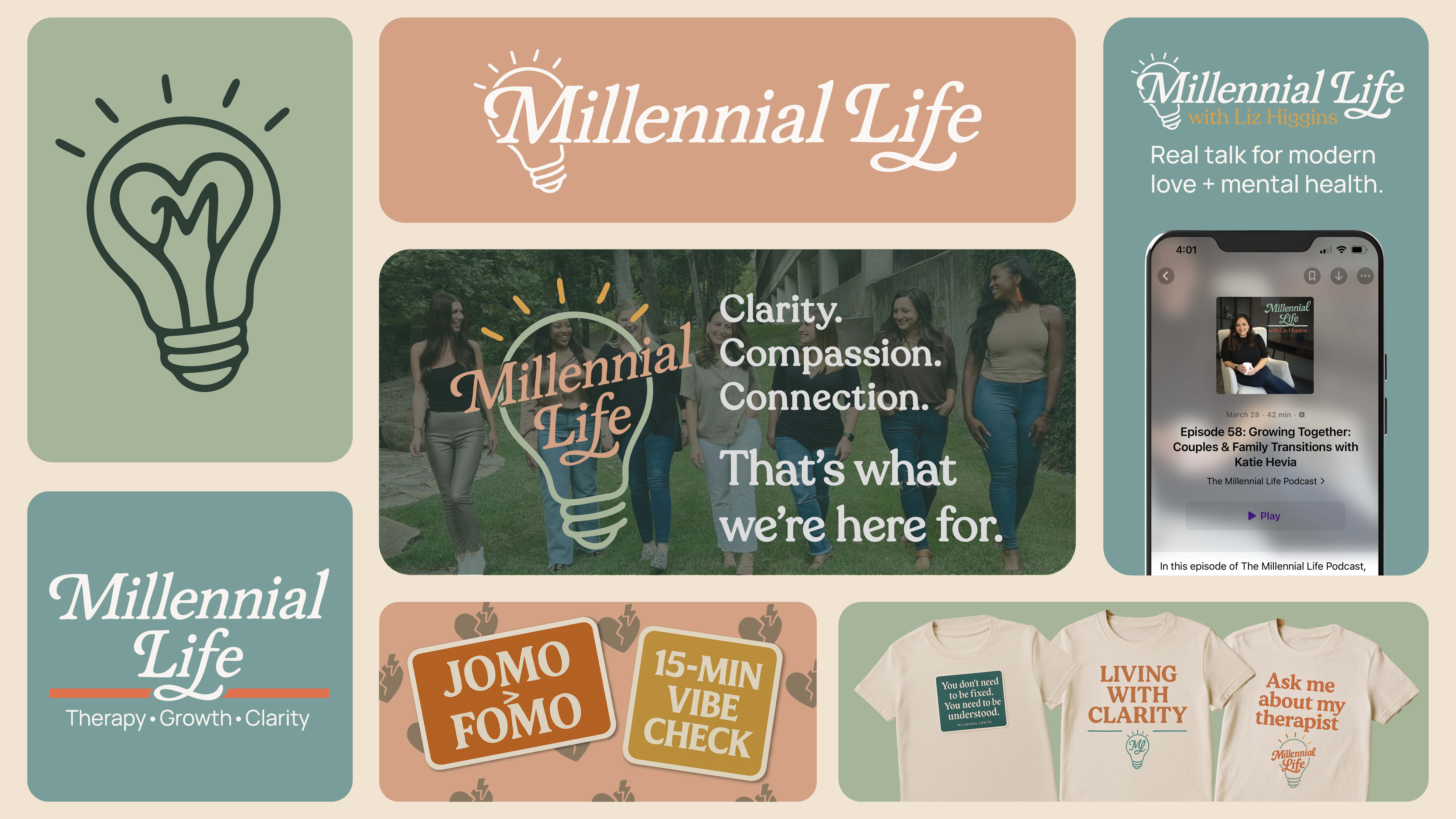
So when Millennial Life (formerly Millennial Life Counseling) wanted a modern digital platform, the goal wasn't "get more form fills."
It was bigger and more human:
The engine that made that possible wasn't just React, SSR, or a slick design system.
It was HubSpot, implemented like an operating system instead of an address book.
This post breaks down exactly how we used HubSpot across the platform to turn anonymous browsing into segmented, high-context leads. No "HubSpot theater." Real implementation.
---
The Core Problem: "Contact Us" Is a Terrible UX for Nervous Humans
Most therapy sites give you two options:
1. Read for 20 minutes
2. Fill out a generic form and hope someone replies
That's not a funnel. That's a leap of faith.
Millennial Life needed conversion paths that felt like care, not sales.
So we built interactive tools that provide immediate value, then connected them to HubSpot in a way that preserves context and enables automation.
---
The HubSpot Strategy: Capture Context, Not Just Email Addresses
If you only capture name + email, your follow-up has to start from zero. That creates:
Instead, we designed HubSpot to store why the person reached out, not just who they are.
What we captured in HubSpot (high-signal properties)
Each conversion point mapped into meaningful contact properties:
This is the difference between:
*"Thanks for your interest. How can we help?"*
and
*"Based on what you shared in the Vibe Check, here are two next steps that fit."*
One feels like marketing. One feels like service.
---
The Implementation: HubSpot Integrated Across Every Intent Level
Millennial Life wasn't built around one conversion moment. It was built around multiple "ready levels."
1) Interactive assessments that create qualified leads
Instead of forcing a generic inquiry, we used quizzes as lead magnets with emotional value:
HubSpot role: When someone completed a quiz, HubSpot didn't just get a contact record. It got structured context mapped into properties, so nurture and routing could be intelligent.
2) Multiple lead capture entry points without losing attribution
Different visitors have different comfort levels. So we built several capture paths:
HubSpot role: Every path creates or updates the contact with source context, so marketing and ops aren't guessing where leads come from.
3) Automated workflows that match real-world sensitivity
Mental health marketing is not "buy now, limited time." You're working with trust.
So instead of aggressive automation, we built workflows that are:
4) Routing and segmentation that prevents lead limbo
If leads sit unassigned, they cool off. In therapy, they often disappear completely.
HubSpot role: Using the captured context (therapist requested, service seeking, location, source), leads can be routed with minimal manual triage.
---
Why This Worked: HubSpot Was Designed Before the Funnel Was Built
Here's the part most teams get backward:
They build the website first, then try to duct-tape HubSpot onto it later.
We did the opposite.
We treated HubSpot like the system of record and asked:
Then we built the conversion experience to feed HubSpot clean, usable inputs.
This is how you avoid the classic outcome: a "CRM" full of junk leads and zero confidence.

---
The Blueprint You Can Steal
Millennial Life is a perfect example because the buyer journey is emotionally real, but the system applies to almost any service business.
Step 1: Map intent levels
Not everyone is ready to "book a call." Give people softer entry points.
Step 2: Capture context with property mapping
Make every lead arrive with a reason attached.
Step 3: Build workflows around behavior
Triggers should reflect real intent, not vanity engagement.
Step 4: Route based on relevance
Right lead → right person → right follow-up.
Step 5: Report what actually matters
Which tools convert? Which pages drive action? Which segments close?
That's how a website becomes a revenue system.
---
Want This Kind of HubSpot Build for Your Business?
If your HubSpot portal is collecting dust, it's not because your team is lazy. It's because the system wasn't engineered for how you actually sell.
We offer a free HubSpot audit where we'll show you:
See All HubSpot Services | View Our Full Services | See Our Work
"If you only capture name + email, your follow-up has to start from zero. That creates awkward outreach, longer sales cycles, and a CRM full of leads no one can prioritize."


_1770441011833-DLktHRYW.jpeg "Branded Mayhem vs The Richards Group")