_1764599374668-geChhYOS.png "Branded Mayhem")
_1768833712366-BmMr1hCt.png "Branded Mayhem")
The Expensive Logo Problem
I have a confession: I have built brands that looked incredible and moved nothing.
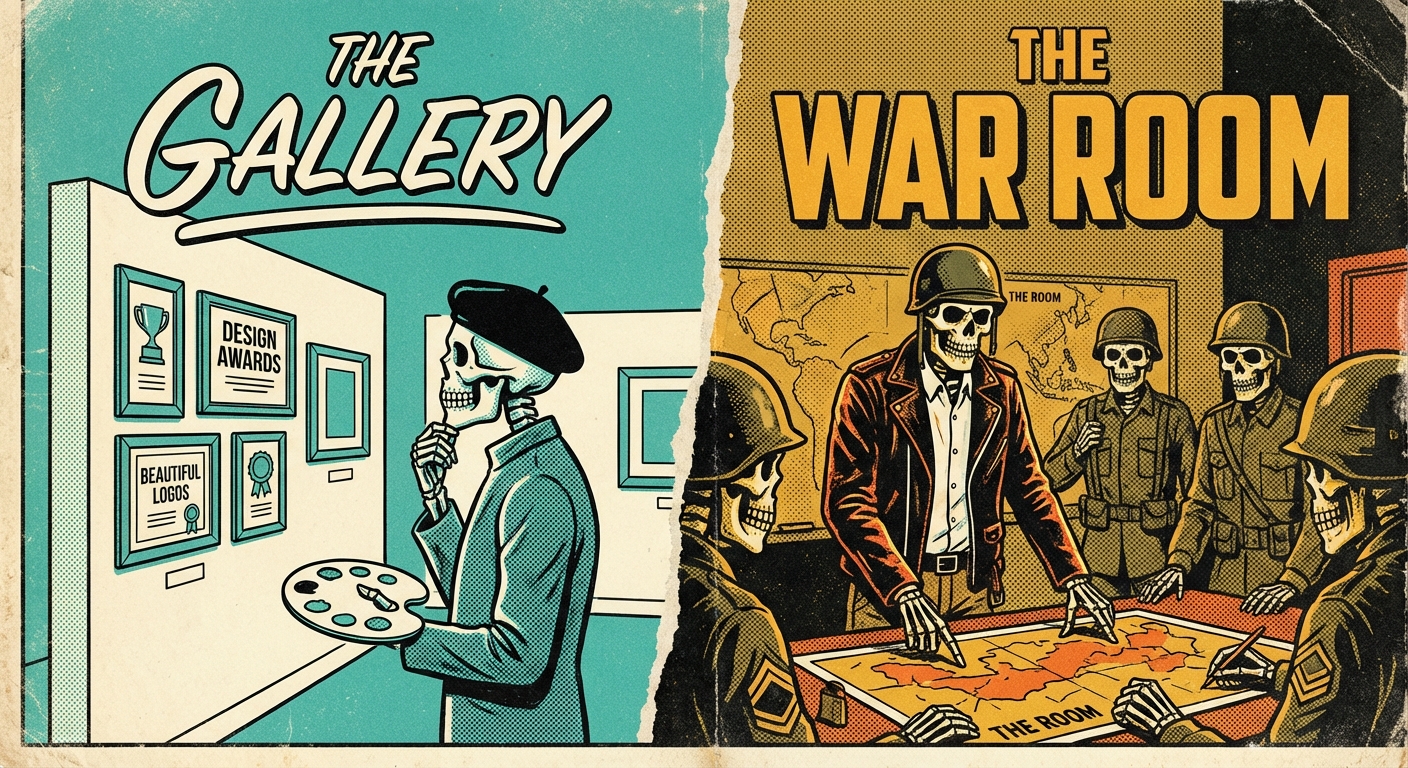
Beautiful typography. Perfect color palettes. Websites that won design awards. And conversion rates that made the CEO cry.
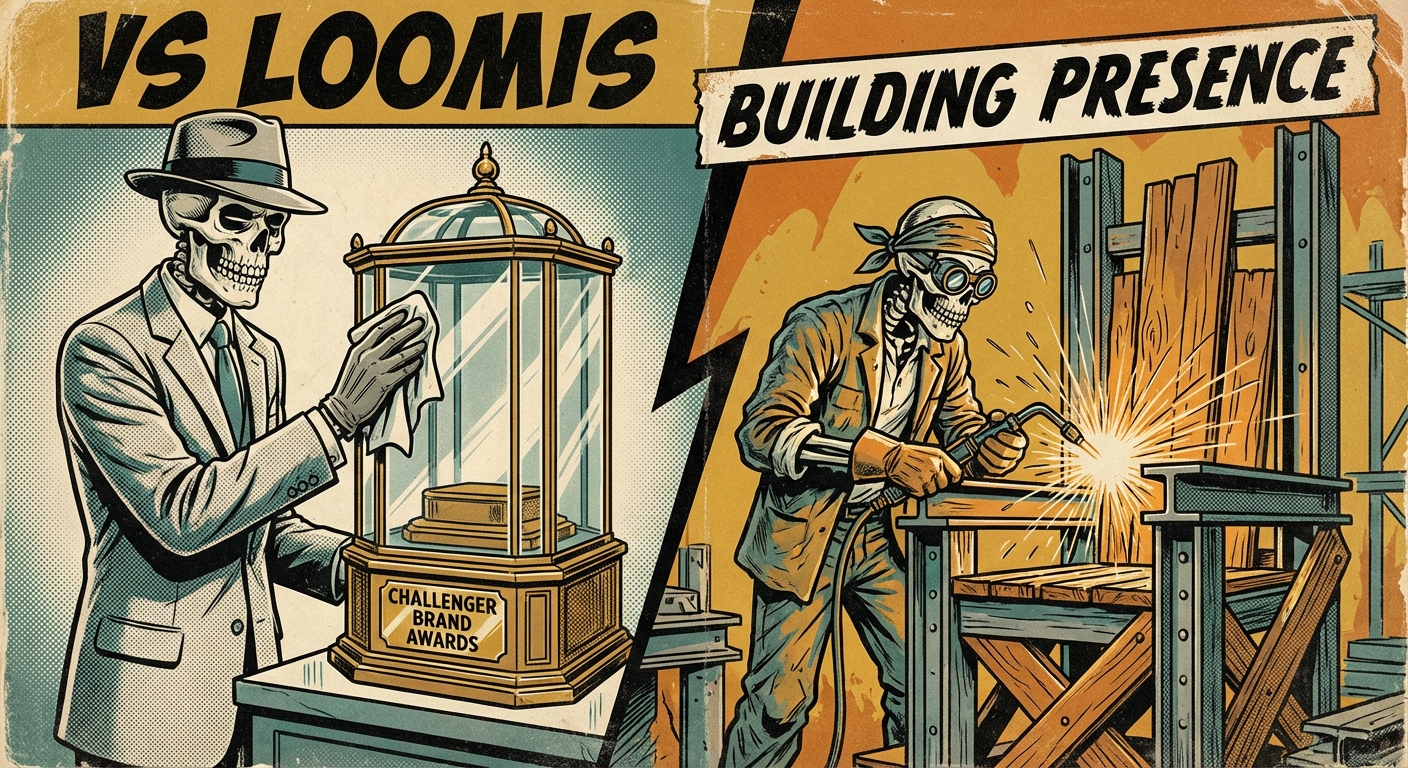
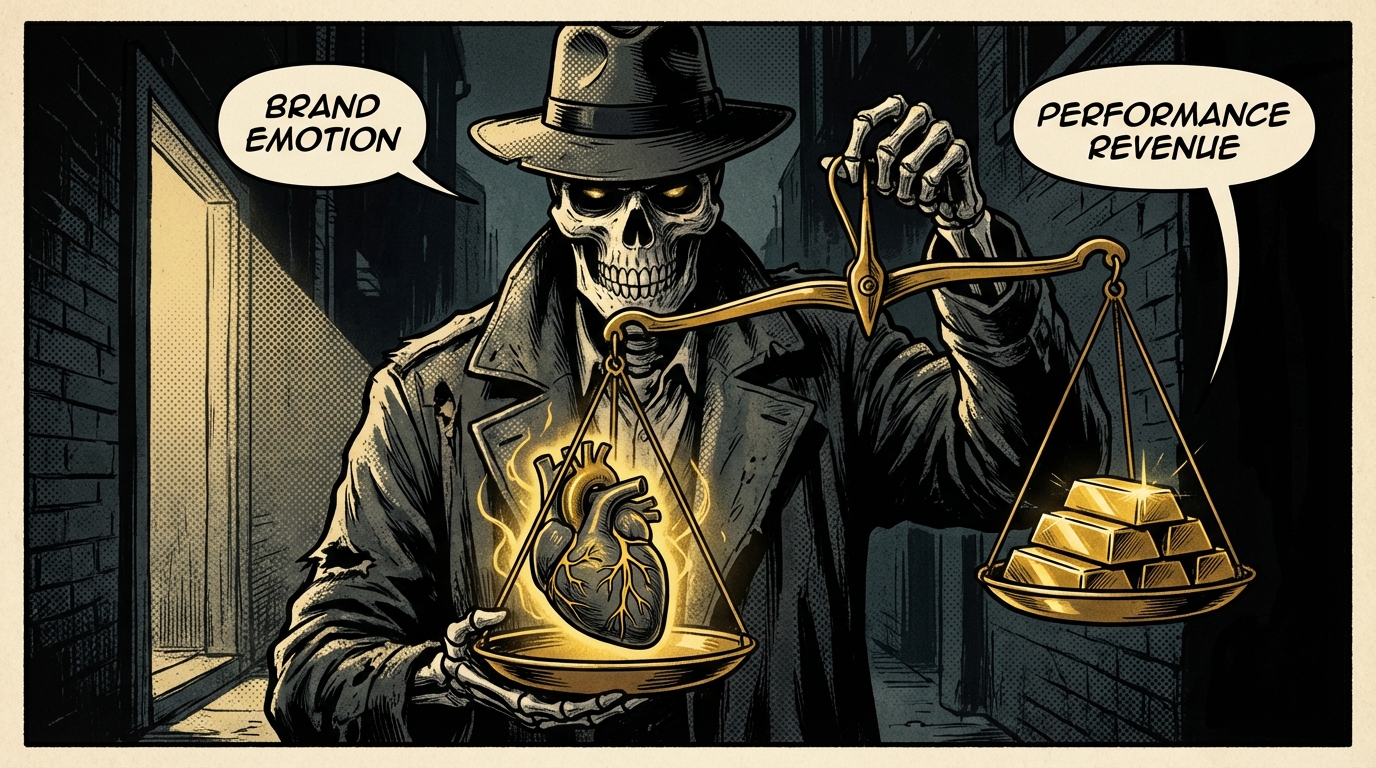
This is the dirty secret of traditional branding: A brand that cannot convert is a liability.
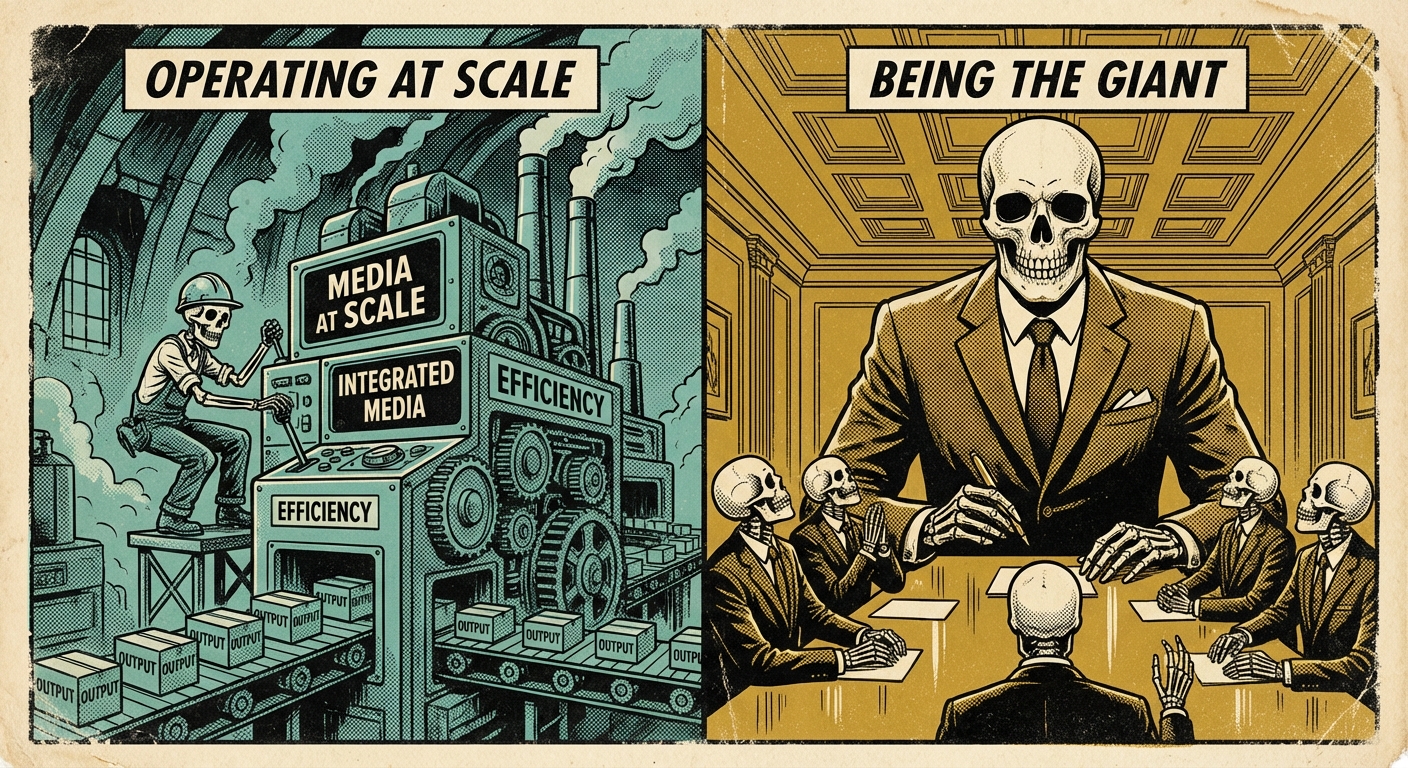
For years, the branding industry has operated on a false premise—that awareness eventually translates to revenue. "Build the brand," they say, "and the business will follow."
Except it does not. Not automatically. Not without intentional design.
---
What Traditional Branding Gets Wrong
Traditional branding operates on a theory that goes like this:
1. Create beautiful visual identity
2. Build brand awareness through impressions
3. Wait for awareness to convert to sales
4. Repeat
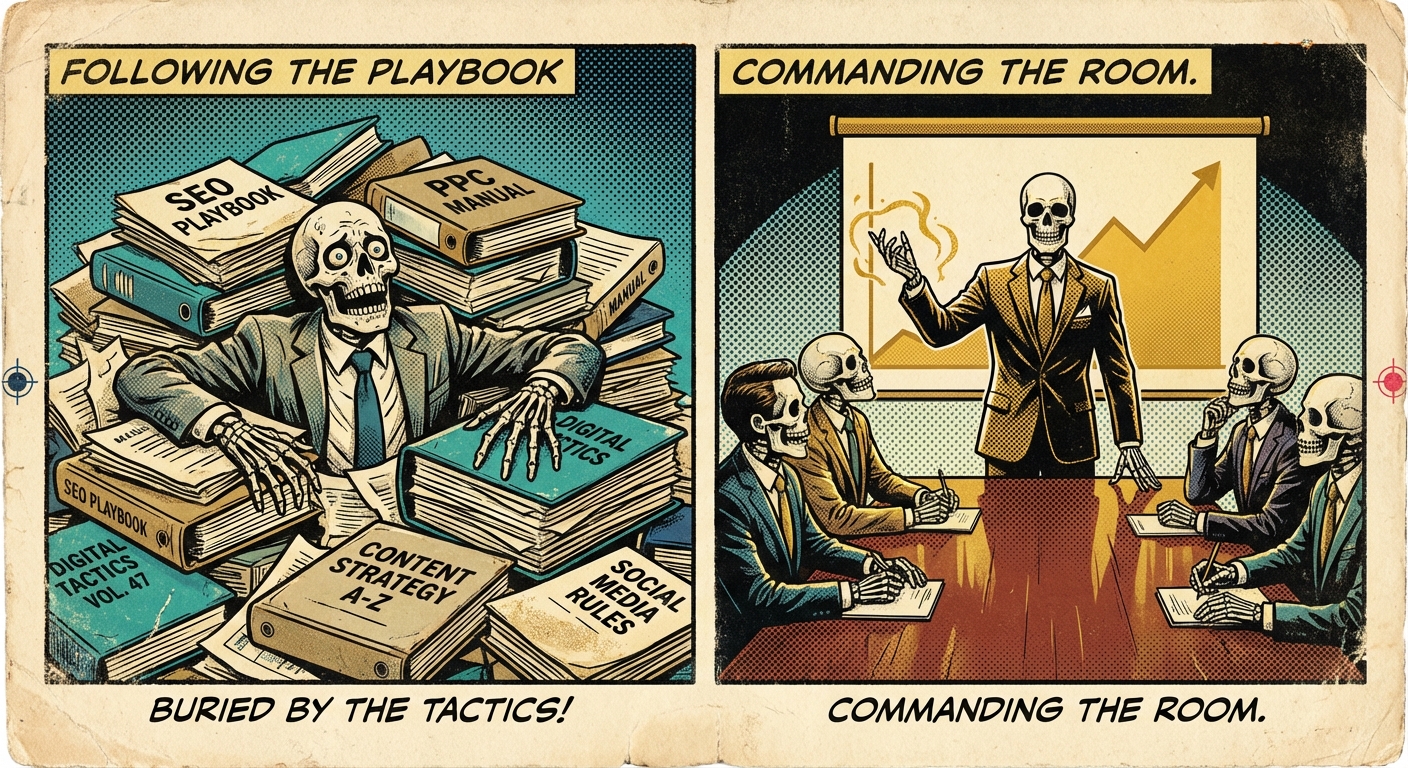
The problem is step 3. The "wait for awareness to convert" part is where most brands die.
Traditional branding measures:
These metrics feel good. They look good in board decks. But they do not pay invoices.
A company can have perfect brand recall and still go bankrupt. Ask any ad agency veteran about clients who had high awareness and no sales.
---
What Performance Branding Gets Right
Performance branding starts with a different question: What does this brand asset need to make someone do?
Not "what should this look like" but "what action should this drive."
Performance branding measures:
Every brand touchpoint—logo, website, content, sales deck—is designed with conversion in mind.
This does not mean ugly utilitarian design. It means intentional design that serves both aesthetic and commercial goals.
---
The Three Pillars of Performance Branding
Pillar 1: Positioning That Converts
Traditional positioning asks: "What makes us unique?"
Performance positioning asks: "What makes us the obvious choice for our ideal buyer at the moment of decision?"
The difference is specificity. A unique selling proposition is not enough. You need a buying proposition—language that moves a prospect from interest to action.
Example:
The performance version has a built-in conversion mechanism. It creates urgency. It demands a response.
Pillar 2: Design That Directs
Traditional design asks: "Does this look good?"
Performance design asks: "Does this guide the eye, build trust, and prompt action?"
Every design element should serve the conversion goal:
When TwoFish Technology came to us, their website looked professional but had no clear next step. We rebuilt it with one goal: get qualified prospects to book a call. Enrollment time dropped to 60 seconds.
Pillar 3: Content That Qualifies
Traditional content asks: "Is this interesting?"
Performance content asks: "Does this attract the right people and repel the wrong ones?"
The best content does not try to appeal to everyone. It speaks directly to your ideal buyer and actively filters out tire-kickers.
EyeQ Monitoring's "Friday Fails" series was not designed for the Fortune 500. It was designed for small business owners who wanted security without the fear-mongering. It attracted exactly the right audience—and drove the highest engagement in brand history.
---
The Performance Branding Framework
Here is how we build performance brands at Branded Mayhem:
Step 1: Conversion Audit
Before any creative work, we audit your current funnel:
This audit reveals the real problems. Often they are not what the client thinks.
Step 2: Buying Proposition Development
We build positioning that converts:
The output is messaging that can be used in ads, sales calls, and website copy.
Step 3: Conversion-First Design
Every design decision is tested against the conversion goal:
Step 4: Measurement Infrastructure
We install tracking that ties brand activity to revenue:
---
Real Results From Performance Branding
EyeQ Monitoring:
TwoFish Technology:
Millennial Life:
---
The ROI Question
Traditional branding asks: "How much should we invest in our brand?"
Performance branding asks: "What is the return on this brand investment?"
This shift changes the conversation. Instead of branding being a cost center, it becomes a revenue driver with measurable ROI.
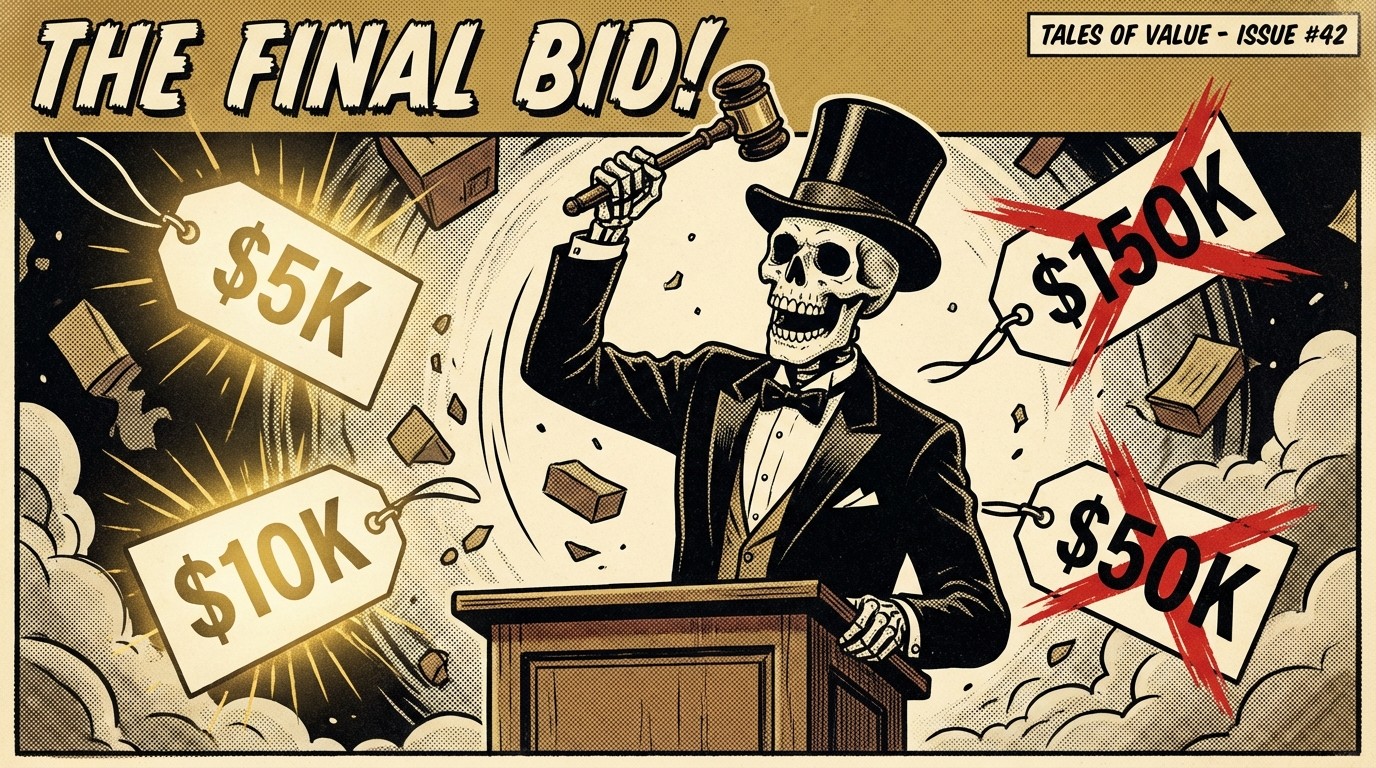
A $20,000 brand sprint that improves conversion rates by 25% on a $500,000 annual pipeline generates $125,000 in additional revenue. That is a 6x return.
This is why performance branding is not about spending less. It is about spending smarter.
---
When to Use Performance Branding
Performance branding is right for you if:
1. You have an existing product or service with traction (this is not for pre-product startups)
2. You measure business outcomes (leads, sales, revenue)
3. You are willing to test and iterate (not looking for a "set it and forget it" solution)
4. You want to hold your brand accountable (not just hope it works)
---
The Bottom Line
Beautiful design that does not drive revenue is an expense, not an investment.
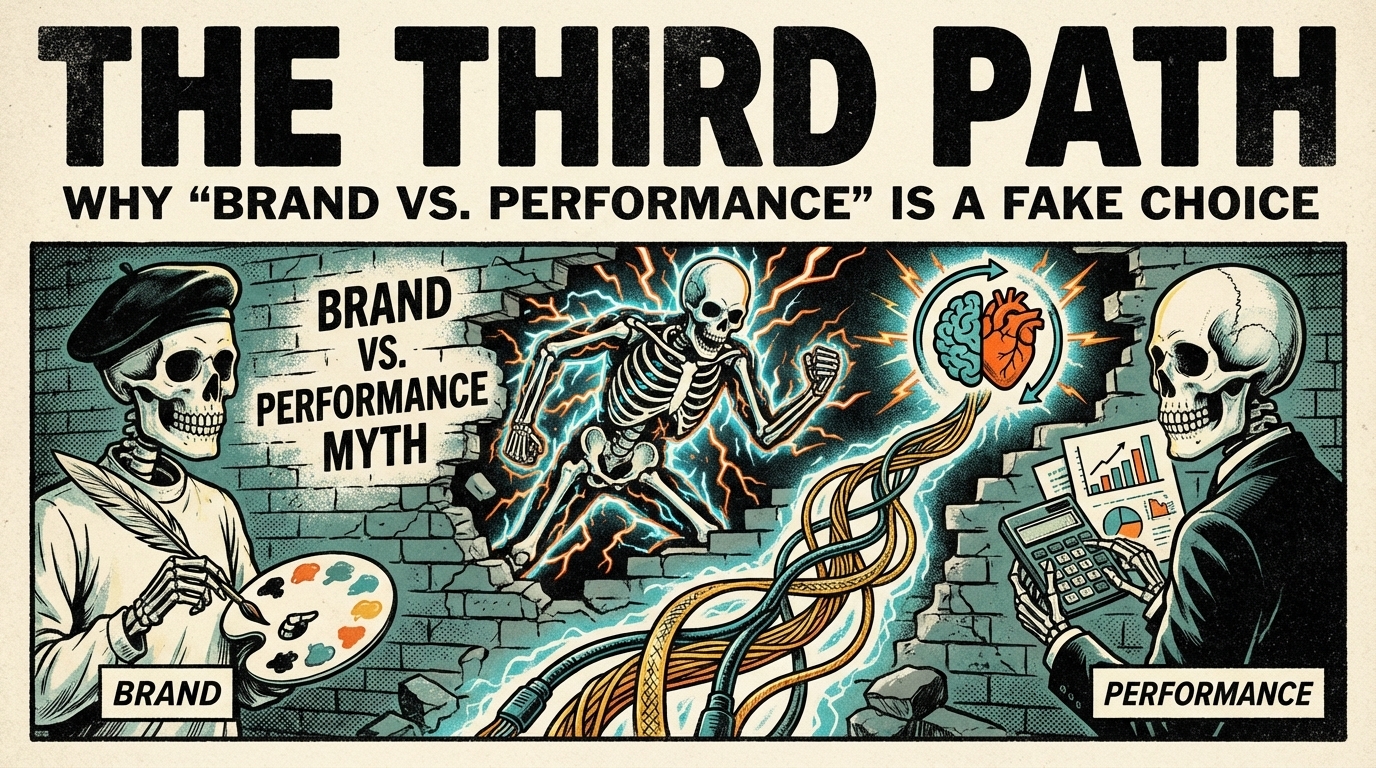
Performance branding combines the strategic rigor of traditional branding with the accountability of performance marketing. Every asset is measured. Every touchpoint is optimized.
If your current brand looks good but does not convert, you do not have a design problem. You have a performance branding problem.
Book a Brand Therapy call and we will audit your conversion funnel in 30 minutes.
— The Mayhem Crew
"A brand that cannot convert is a liability. Beautiful design that does not drive revenue is an expense, not an investment."
Frequently Asked Questions
What is performance branding?
Performance branding is an approach that combines brand building with conversion optimization. Every brand asset is designed not just to look good, but to drive measurable business outcomes like leads, sales, and revenue.
How is performance branding different from traditional branding?
Traditional branding focuses on awareness and perception. Performance branding includes those goals but adds conversion metrics. Every touchpoint is measured for its impact on pipeline and revenue, not just brand recall.
What results can I expect from performance branding?
Clients using a performance branding approach typically see improved conversion rates, shorter sales cycles, and better marketing ROI. EyeQ Monitoring saw +100% CTR improvement; TwoFish Technology reduced prospect enrollment to 60 seconds.

_1770441011833-DLktHRYW.jpeg "Branded Mayhem vs The Richards Group")